Role Characteristics
- Assess people’s hearing using different tests and techniques
- Record the results of tests accurately using various computer systems and forward these to appropriate health and care professionals
- Fit, test and repair people’s hearing aids
- Advise on ear health and hygiene
- Educate people on the effects of noise on hearing
- Support research in the prevention, identification and management of hearing loss, tinnitus and balance system dysfunction
Skills
- Communication
- Decision-making
- Empathy
- Operating equipment
- Taking initiative
- Using technology
Day in the life
Watch a day in the life of an Audiologist BSc student.
Routes into this role
Here are some example routes that can lead into this role.
- GCSEs
- Undergraduate degree
- Degree apprenticeship
- Postgraduate degree
- BTEC, T-Level or A-Levels
How to become
To become an Audiologist, you will usually need a degree in Audiology, Healthcare Science (Audiology), or a related healthcare science subject. There are many ways to access university level education and you can explore lots of current opportunities in the section below.
You might:
- Study A Levels, BTECs, or T Levels – useful subjects might include Biology, Physics, Psychology, Maths, Health and Social Care or Applied Science. Explore some current opportunities below.
- Complete an Access to Higher Education course – a college course designed for adults who want to access higher education but don’t have the traditional requirements like A Levels.
- Complete a Foundation course – a year-long university course designed to prepare you for studying Audiology, Healthcare Science or a related healthcare profession if you do not have the required qualifications or grades to go straight into a degree.
You will then be ready to study at a university level. This can include:
- Studying an undergraduate degree in Audiology, Healthcare Science (Audiology), or a related subject.
- Complete a Degree Apprenticeship – gain experience in the workplace while also studying a qualification in Healthcare Science (Audiology), where available.
Alongside education, you may also want to build some relevant work or voluntary experience in hospitals, hearing services, community health services, care settings or patient-facing support roles and think about developing your communication, empathy, attention to detail, problem-solving and interpersonal skills.
To work in this role, you may need to be registered with the Health and Care Professions Council (HCPC).
Where can this role lead
From your role as an Audiologist, you could continue helping people improve their hearing, balance and communication by specialising in areas such as Paediatric Audiology, Balance Assessment Services, or Hearing Rehabilitation.
Your communication, assessment and problem-solving skills as an Audiologist would also translate well to sideways moves such as a Speech and Language Therapist or an Occupational Therapist.
Progression might look like leading hearing or diagnostic services, developing advanced clinical expertise, managing multidisciplinary teams or progressing into a Service Manager roles within healthcare services.
Location
-
Hospitals
-
Community Settings
-
Opticians
-
GP Practices
-
Peoples Homes
-
Schools, colleges and universities
Working hours
-
Full Time
-
Part Time
-
Weekdays
-
Casual Hours
-
Overtime
-
Flexible Hours
Opportunities

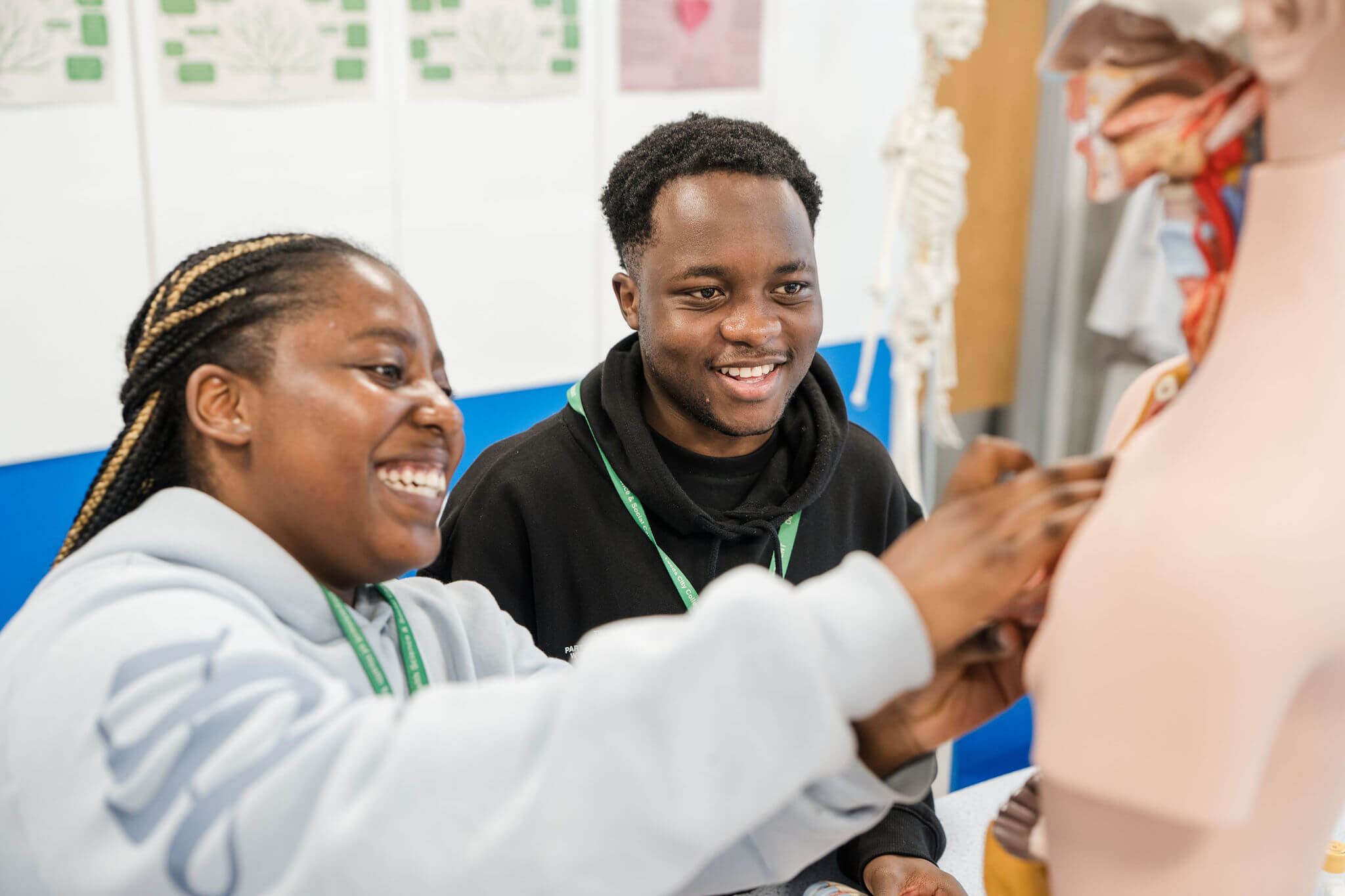
Leeds City College Health and Social Care courses
- Organisation
- Leeds City College
Access to Higher Education (Healthcare Professions)
- Organisation
- Wakefield College
Calderdale College Health and Social Care Courses
- Organisation
- Calderdale College
Healthcare Science Practitioner (Integrated Degree)
- Organisation
- Skills England
Volunteering in Health and Care
- Organisation
- Volunteering Opportunities
Healthcare Science Careers - Virtual Work Experience
- Organisation
- NHS England
BSc Audiology
- Organisation
- University of Leeds