Role Characteristics
- Understand your patient’s needs, abilities or behaviour using different methods, including psychometric tests, interviews and observations of their behaviour
- Plan, monitor and adapt treatment programmes and interventions, including therapy, counselling or advice
- Offer therapy and treatments for issues relating to a range of mental health conditions
- Plan therapies that reduce psychological distress and promote psychological well-being
- Provide consultation, training and supervision to other professionals and other agencies
- Evaluate the efficacy and outcome of treatments
Skills
- Active listening
- Advice giving
- Decision-making
- Observation
- Working with groups
- Written communication
Day in the life
Watch the video about a career in NHS as a clinical psychologist.
Routes into this role
Here are some example routes that can lead into this role.
- GCSEs
- BTEC, T-Level or A-Levels
- Undergraduate degree
- Postgraduate degree
How to become
To become a Clinical Psychologist, you will need a degree in Psychology that is accredited by the British Psychological Society (BPS). There are many ways to access university level education and you can explore lots of current opportunities in the section below.
You might:
- Study A Levels, BTECs, or T Levels. Useful subjects might include Psychology, Biology, Sociology, Health and Social Care, and Maths. You can explore some current opportunities to study at this level below.
- Complete an Access to Higher Education course, a college course designed for adults who want to access higher education but do not have the traditional requirements like A Levels.
- Complete a Foundation Year, a year-long university course designed to prepare you for studying Psychology if you do not have the required qualifications or grades to go straight into a degree.
Alongside education, you may also want to build relevant work or voluntary experience in mental health services, healthcare, or social care. It can sometimes be difficult to access work experience in mental health directly, so think about opportunities to develop similar skills, such as community support, education, or youth work.
Voluntary and work experience can help you to develop some of the key skills a Clinical Psychologist needs, like communication, empathy, active listening, analytical thinking, observation, and problem-solving skills.
You will then be ready to study at university level. This can include:
- Studying an undergraduate degree in Psychology (accredited by the British Psychological Society). Explore some local degree providers below.
- Following your degree, you will usually need to gain relevant experience in psychology-related roles before successfully applying for a Doctorate in Clinical Psychology (DClinPsy).
- To practise as a Clinical Psychologist, you must be registered with the Health and Care Professions Council (HCPC). Most Clinical Psychologists are also members of the British Psychological Society (BPS).
Where can this role lead
From your role as a Clinical Psychologist you could specialise further in a particular area of clinical psychology, such as addiction, forensic clinical psychology, or psychosis and complex mental health. You could also transition into similar therapeutic and psychological support roles such as Adult Psychotherapist, or Counsellor.
Progression might involve developing advanced leadership responsibilities as a Service Manager or Project Manager, or moving into specialist areas of psychological practice, research, or service development. You could also use your experience to educate and support the next generation of practitioners, such as by becoming a Lecturer.
If you enjoy applying psychological knowledge but would prefer less direct clinical work, you could explore opportunities as a Researcher or Data Analyst helping to improve services, develop evidence-based practice, and shape future health and care provision.
Location
-
Hospitals
-
Peoples Homes
-
Community Settings
-
Prisons
Working hours
-
Full Time
-
Part Time
-
Weekdays
-
Casual Hours
-
Overtime
-
Flexible Hours
Opportunities

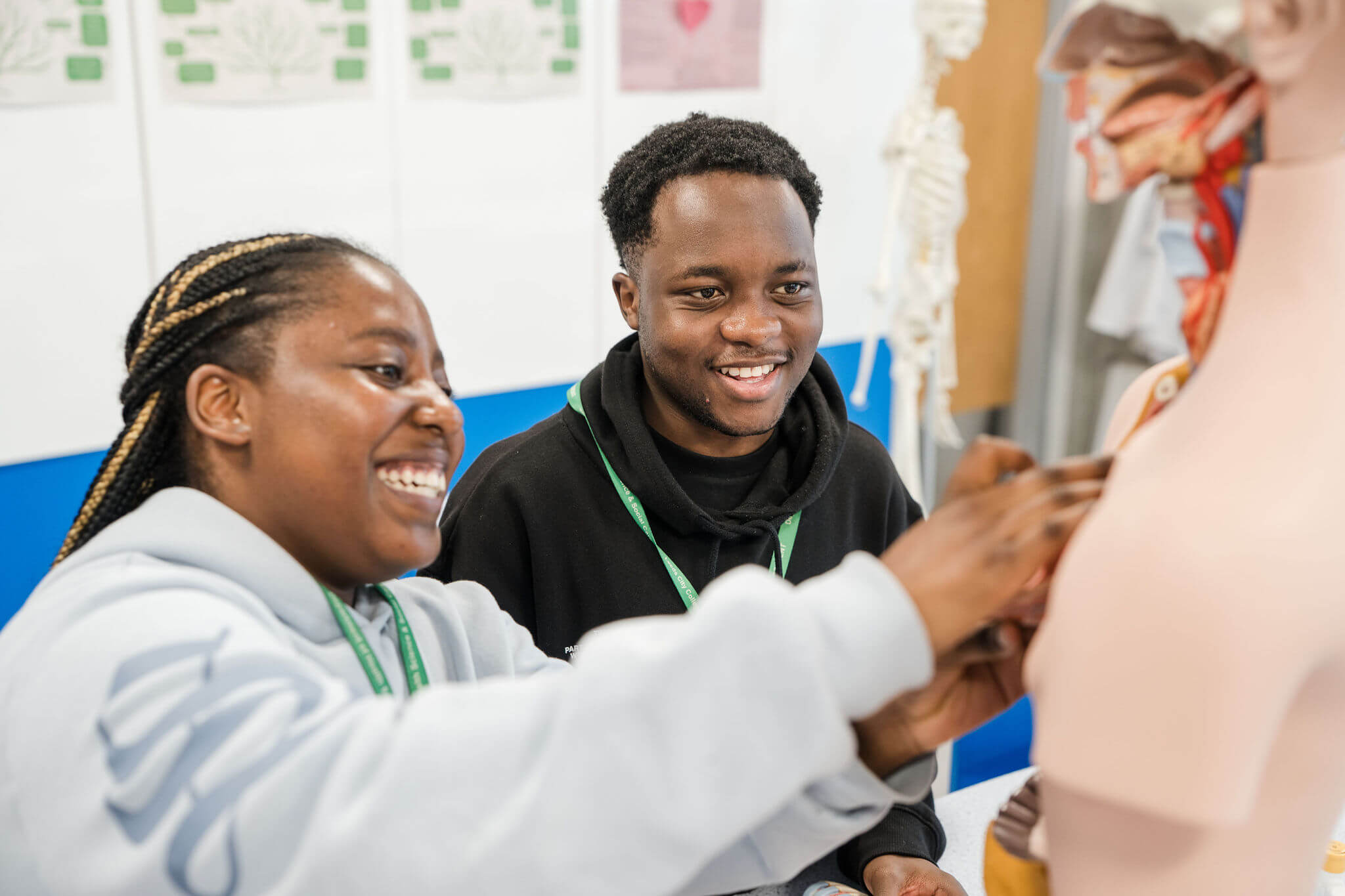
Leeds City College Health and Social Care courses
- Organisation
- Leeds City College
Postgraduate courses in Clinical Psychology
Volunteering in Health and Care
- Organisation
- Volunteering Opportunities