Role Characteristics
- Develop and implement counselling and intervention programmes to support people in determining goals and means of attaining them
- Provide counselling, therapy and mediation services, and facilitate individual and group sessions
- Liaise with community agencies and partners, and identify additional or alternative services and provide referrals
- Evaluate the effectiveness of counselling programs and interventions, and peoples progress in resolving identified problems and movement toward defined objectives
- Identify ways to help people cope with stress and develop problem-solving strategies
- Teach mindfulness and relaxation techniques, such as meditation and breathing exercises
Skills
- Active listening
- Advice giving
- Communication
- Empathy
- Goal-setting
- Observation
Day in the life
What the video to learn about Adult Psychotherapist.
Routes into this role
Here are some example routes that can lead into this role.
- GCSEs
- BTEC, T-Level or A-Levels
- Undergraduate degree
- Postgraduate degree
- Foundation degree
How to become
To become an Adult Psychotherapist, you will typically need a university degree. There are many ways to access university level education and you can explore lots of current opportunities in the section below.
You might:
- Study A Levels, BTECs, or T Levels. Useful subjects might include Psychology, Sociology, Health and Social Care, Biology, or other social sciences. Explore some current opportunities below.
- Complete an Access to Higher Education course, which is designed for adults who want to access higher education but do not have traditional qualifications such as A Levels.
- Complete a Foundation Year, which is a university course designed to prepare you for studying psychology, counselling, mental health, or another related subject if you do not have the qualifications needed to go straight into a degree.
You will then be ready to study at university level. This can include:
- Studying an undergraduate degree in Psychology, Counselling, Mental Health Nursing, Social Work, Occupational Therapy, or another relevant subject.
Alongside education, you may also want to build relevant work or voluntary experience in mental health services, healthcare settings, community support services, or social care and think about developing your communication, empathy, active listening, relationship-building, emotional resilience, and reflective practice skills.
Following your degree, you will usually need to complete specialist postgraduate psychotherapy training and gain relevant supervised experience before practising as a psychotherapist.
To be an Adult Psychotherapist, you should be accredited or registered with a relevant professional body, such as the UK Council for Psychotherapy (UKCP) or the British Psychoanalytic Council (BPC), depending on your area of practice.
Where can this role lead
From your role as an Adult Psychotherapist, you could specialise further in therapeutic and psychological support roles such as Counsellor, Art Therapist, or Drama Therapist, building on your existing skills in assessment, communication, and psychological intervention.
Your experience supporting people with mental health challenges would also transfer well into sideways moves such as Mental Health Nurse, Social Worker, or Addiction and Recovery Support Worker, where you would continue helping people improve their wellbeing.
Progression might involve developing advanced clinical expertise to become a Clinical Psychologist, or Psychiatrist (with the required additional training), or moving into leadership positions such as a Service Manager.
If you enjoy supporting people's mental wellbeing but would prefer less direct therapeutic work, you could explore opportunities like Researcher, Public Health Practitioner, or other management and service improvement roles that focus on developing, coordinating, and improving services rather than delivering therapy yourself.
Location
-
At Home
-
Care Homes
-
Community Settings
-
GP Practices
-
Hospitals
-
Prisons
Working hours
-
Casual Hours
-
Flexible Hours
-
Full Time
-
Irregular Hours
-
Overtime
-
Part Time
-
Weekdays
Opportunities

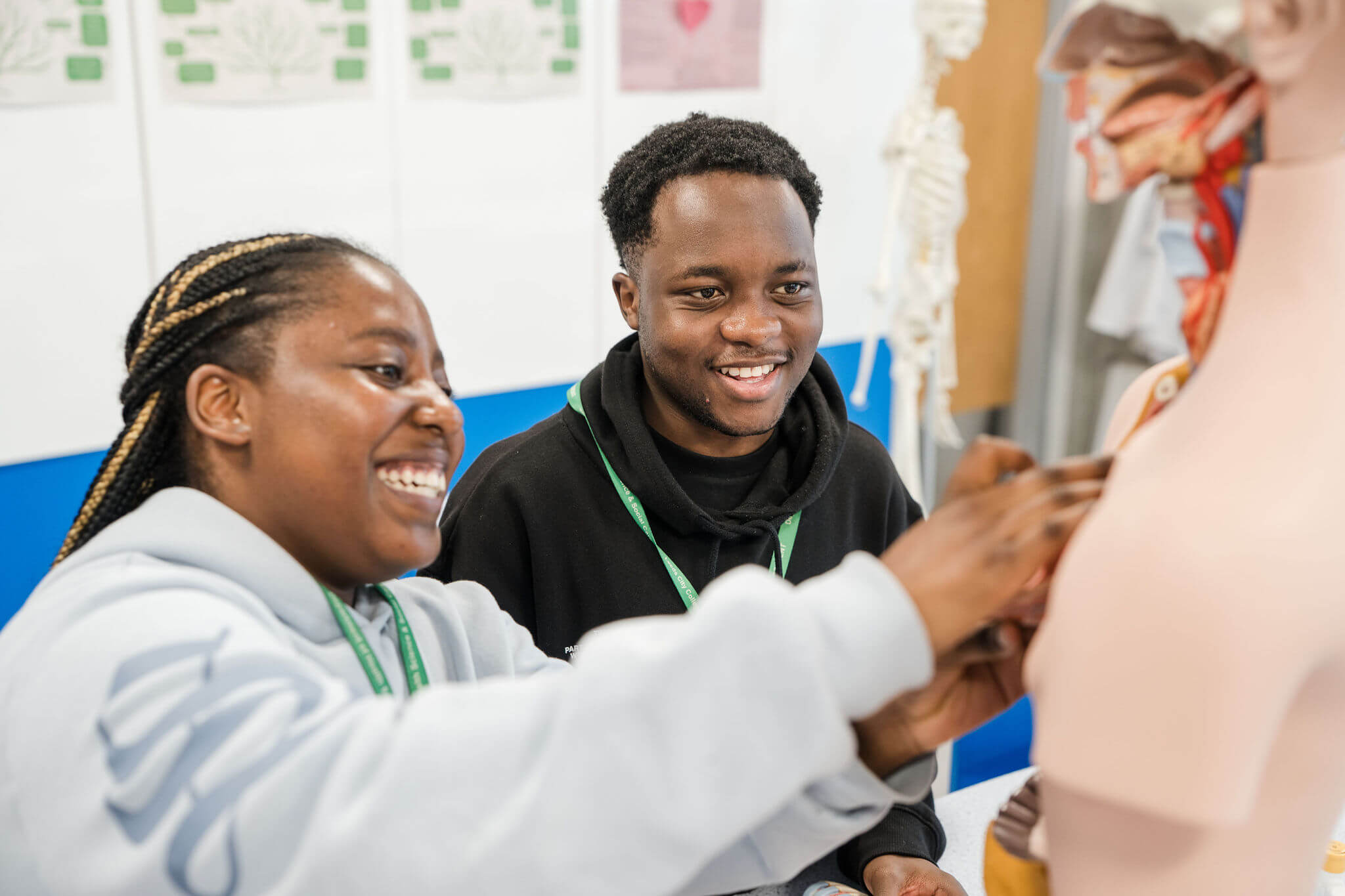
Leeds City College Health and Social Care courses
- Organisation
- Leeds City College
Volunteering in Health and Care
- Organisation
- Volunteering Opportunities
Access to Higher Education (Psychology)
- Organisation
- Heart of Yorkshire Education Group