Role Characteristics
- Create clear, engaging content for websites, newsletters, social media, and other communication channels
- Build relationships with staff, partners, service users, community groups, and the media
- Gather stories, case studies, and feedback to share the impact of services and initiatives
- Monitor communication activity and identify ways to improve audience engagement
- Develop and deliver communication plans to support different projects, services, and priorities
- Explain complex information in a way that different audiences can easily understand
Skills
- Active listening
- Attention to detail
- Communication
- Creative thinking
- Public speaking
- Written communication
Day in the life
Watch this video to learn more about the work of a Communications Officer
Routes into this role
Here are some example routes that can lead into this role.
- GCSEs
- BTEC, T-Level or A-Levels
- Undergraduate degree
- Degree apprenticeship
- Foundation degree
How to become
To become a Communications Officer, you will typically need a degree in Communications, Public Relations, Journalism, English, Marketing, Media, or a related subject. There are many ways to access university level education and you can explore lots of current opportunities in the section below.
You might:
- Study A Levels, BTECs, or T Levels. Useful subjects might include English Language, English Literature, Media Studies, Business Studies, or Digital Production. Explore some current opportunities below.
- Complete an Access to Higher Education course, a college course designed for adults who want to access higher education but do not have the traditional requirements like A Levels.
- Complete a Foundation Year, a year-long university course designed to prepare you for studying Communications, Public Relations, Journalism, Media, or English if you do not have the required qualifications or grades to go straight into a degree.
You will then be ready to study at university level. This can include:
- Studying an undergraduate degree in Communications, Public Relations, Media, Marketing, or a related subject.
- Complete a Degree Apprenticeship and gain experience in the workplace while also studying a degree level qualification.
Alongside education, you may also want to build some relevant work or voluntary experience in student media, community organisations, social media, hosting events, or working in customer-facing roles and think about developing your written communication, relationship-building, and organisation skills.
Where can this role lead
From your role as a Communications Officer, you could specialise in community engagement and public information roles such as a Community Fundraiser, Community Champions, Community Development Support Worker, or Health Trainer, helping people understand important information and make positive decisions about their health and wellbeing.
Your communication, relationship-building, and stakeholder engagement skills would also translate well into sideways moves such as Marketing Officer, Care Navigator, Employment Advisor, or Social Prescriber, where clearly communicating information and supporting people to access services are key parts of the role.
Progression might look like moving into leadership positions such as Project Manager or Head of Communications, taking responsibility for larger programmes of work or managing the work of a team.
Location
-
Ambulances
-
At Home
-
Care Homes
-
Hospitals
-
Offices
Working hours
-
Casual Hours
-
Flexible Hours
-
Full Time
-
Irregular Hours
-
Nights
-
Part Time
-
Weekdays
-
Weekends
-
Overtime
Opportunities

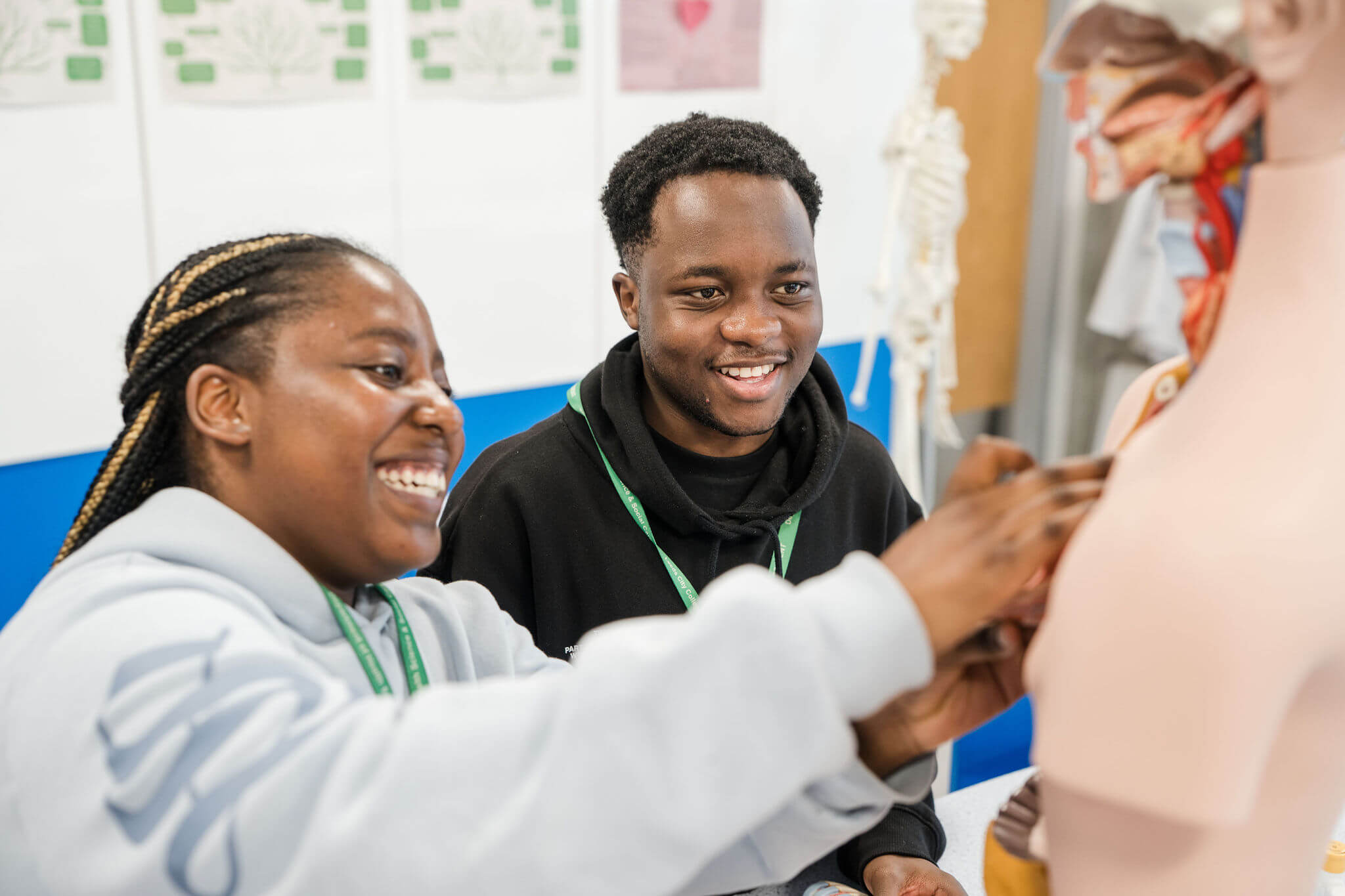
T Level Marketing
- Organisation
- Leeds City College
Customer Service Pre-Employment Programme
- Organisation
- Leeds Health and Care Talent Hub
Volunteering in Health and Care
- Organisation
- Volunteering Opportunities